


A frequent question we encounter in the beauty and cosmetics industry is how exactly people with alopecia wear fake eyelashes when they lack a natural lash base to anchor them. Standard eyelash extensions require a natural hair follicle for cyanoacrylate adhesives to bond to. Without natural lashes, traditional professional extensions are completely off the table. However, total or partial lash loss (madarosis) does not mean you have to abandon your aesthetic goals.
From our experience working with dermatology clinics, specialized makeup artists, and clients dealing with alopecia areata or universalis, achieving a flawless, comfortable lash look on a bare eyelid requires a strategic shift in both the type of lash used and the chemistry of the adhesive. In this expert guide, we are stripping away the generic beauty advice to provide you with commercial and practical judgment on the safest, most effective eyelash systems for bare lids.

Quick Answer: Applying Lashes Without Natural Lashes
So, how do people with alopecia wear fake eyelashes successfully? They bypass hair-bonding adhesives entirely and utilize skin-safe adhesion methods. The three primary techniques are:
- Magnetic Eyeliner Systems: A liquid liner containing iron oxides is painted onto the bare eyelid, and a magnetic strip lash snaps directly onto the dried liner.
- Adhesive Eyeliner Pens: A pressure-sensitive, skin-safe glue disguised as an eyeliner pen provides a sticky base for lightweight strip lashes.
- Skin-Safe Latex-Free Glues: Using traditional brush-on acrylic adhesives to adhere ultra-lightweight, invisible-band strip lashes directly to the skin above the lash line.
Expert Advice: Never attempt to use traditional salon extension glues (cyanoacrylate) directly on the eyelid skin; this will cause severe chemical burns. Always prioritize lightweight, flexible lash bands over heavy, dramatic styles to prevent the lash from sagging on a bare eyelid.
Table of Contents
- Quick Summary Table: Best Lash Systems for Alopecia
- What It Is and How It Works on Bare Skin
- Benefits and Limitations of Bare-Lid Application
- Pros and Cons Table
- Who Should Use It (And Who Does Not Need It)
- Comparison Table: Magnetic vs. Adhesive Liner
- Common Mistakes with Bare Eyelid Applications
- Buying Considerations & Guide
- Expert Recommendation & Bottom Line
- Authoritative References
- Frequently Asked Questions
Quick Summary Table: Best Lash Systems for Alopecia
Understanding how people with alopecia wear fake eyelashes safely comes down to matching the right technology with the wearer's specific degree of lash loss.
| Lash Technology | Application Method | Best Suited For | Hold Duration |
|---|---|---|---|
| Magnetic Liner & Lashes | Iron-oxide liner applied to skin; magnetic band attaches to liner. | Total lash loss (Alopecia Universalis). Great for beginners. | 8 - 12 Hours (Daily removal required) |
| Adhesive Eyeliner | Pressure-sensitive glue applied like a liquid eyeliner pen. | Total or partial lash loss. Users wanting a seamless black eyeliner look. | 10 - 14 Hours (Daily removal required) |
| Invisible Band Strip Lashes | Clear, latex-free skin adhesive painted onto the lash band, applied to the skin. | Users who want a "no-makeup" look without dark eyeliner. | 12 - 16 Hours |
| DIY Lash Clusters (Modified) | Clusters applied to the skin using specific skin-safe cluster glue. | Partial lash loss (Alopecia Areata) to fill in gaps between remaining lashes. | 1 - 3 Days (Requires highly specialized glue) |
What It Is and How It Works on Bare Skin
When you have a full set of natural lashes, false eyelashes rest on top of them. The natural lashes act as a physical shelf, supporting the weight of the falsies and preventing them from drooping into the eye. Without this shelf, the false lash relies 100% on the strength of the adhesive bond to the eyelid skin.
How it works for individuals with alopecia involves re-engineering the anchor point. Instead of bonding acrylic to keratin (hair), you are bonding acrylic, latex, or magnets to the epidermis (skin). Because the eyelid skin is exceptionally thin, mobile, and produces sebum (oil), standard heavy strip lashes will peel at the inner and outer corners within hours. To counteract this, the lash band must be incredibly thin, flexible, and lightweight. We recommend utilizing lash strips that look like extensions, as these typically feature micro-bands that flex perfectly with the contour of a bare eyelid.
Benefits and Limitations of Bare-Lid Application
While the beauty industry has made incredible strides in accessible cosmetics, we must take a clear position: wearing lashes on bare eyelids has distinct challenges. The absence of natural lashes means you have a perfectly smooth canvas, which is great for eyeliner application, but it removes the structural support necessary for heavy, dramatic lash styles.
Pros and Cons Table
| Pros (Benefits) | Cons (Limitations) |
|---|---|
| Psychological Comfort: Restores facial framing and boosts confidence for those experiencing medical hair loss. | Corner Lifting: Without natural lashes to prop them up, inner and outer corners are highly susceptible to lifting. |
| Easy Removal: Because there are no natural lashes to accidentally pull out, removal is completely painless. | Style Restrictions: Heavy 25mm mink lashes or mega volume cluster lashes will sag into the field of vision. |
| Clean Canvas: Allows for absolute precision when placing the lash band, as natural hairs do not get in the way. | Adhesive Sensitivity: Direct skin contact requires hypoallergenic, latex-free glues to avoid contact dermatitis. |
| Versatility: Easy to switch between daytime natural looks and evening glam without committing to long-term extensions. | Daily Maintenance: Unlike salon extensions, skin-applied strips must be removed and cleaned every single night. |
Who Should Use It (And Who Does Not Need It)

For beginners and those with total lash loss: If you are newly diagnosed with alopecia universalis or are undergoing chemotherapy, we highly recommend starting with magnetic eyeliner and magnetic lashes. The learning curve is incredibly low. If you can draw a line with liquid eyeliner, you can apply these lashes. Furthermore, if you are looking for advanced retention without magnets, adhesive eyeliners are the absolute best choice for commercial users and everyday wearers alike.
Who does not need these bare-lid methods: If you have partial alopecia areata with only minor gaps in your lash line, you do not need to resort to heavy strip lashes or magnetic liners. In most professional situations, we advise these individuals to use DIY cluster lashes for beginners. By bridging the clusters across your remaining natural lashes, you can camouflage the gaps seamlessly. You just need to ensure you understand how to apply cluster lashes with bond and seal properly to maximize retention on sparse lash lines.
Comparison Table: Magnetic vs. Adhesive Eyeliner
When deciding how people with alopecia wear fake eyelashes on a daily basis, the choice almost always comes down to magnetic liner versus adhesive liner. Here is our expert comparison based on rigorous testing.
| Feature | Magnetic Eyeliner Systems | Adhesive Eyeliner Systems |
|---|---|---|
| Mechanism | Iron oxides in the liner attract micro-magnets on the lash band. | Pressure-sensitive polymer acts as a sticky base for the lash band. |
| Weight | Heavier (due to the physical magnets on the band). | Extremely lightweight (no magnets required). |
| Aesthetic | Requires a thick, dark eyeliner line to cover the magnets. | Can be applied thinly. Available in black or clear formulas. |
| Longevity on Bare Skin | Good, but can shift if bumped or in high winds. | Excellent. Fuses tightly to the skin and resists shifting. |
| Our Verdict | Best for absolute beginners with shaky hands. | Best for a natural look and all-day comfort. |
Common Mistakes with Bare Eyelid Applications

In our testing, we have identified several critical errors that lead to lash failure for individuals without natural lashes. Avoid these mistakes to ensure a secure, comfortable fit:
- Failing to Prep the Eyelid: Eyelids naturally produce sebum. If you apply adhesive or magnetic liner to an oily eyelid, the lash will slide off within an hour. Always wipe the eyelid with an oil-free micellar water or astringent, and allow it to dry completely before application.
- Using Stiff, Thick Lash Bands: A thick, black cotton band wants to remain straight. When you bend it around the curve of a bare eyelid, the tension will force the corners to pop up. Always choose invisible, ultra-thin bands that conform to the skin without tension.
- Using Hair-Bonding Glues: Do not use professional salon glues or heavy-duty cluster bonds designed for hair on bare skin. For safe alternatives, consult a thorough lash glue buying guide to find hypoallergenic, skin-safe acrylics or latex-free formulas.
- Placing the Lash Too Low: Without natural lashes as a guide, it is easy to place the false lash too close to the waterline. This causes painful friction against the eyeball. Always place the lash slightly above where your natural lash line would normally be.
Buying Considerations & Guide
Not all fake eyelashes are created equal, especially when they are compensating for medical hair loss. When you are ready to make a buying decision, use practical judgment and look for these specific product features.
Buying Guide Table
| Product Component | What to Look For | Why It Matters for Alopecia |
|---|---|---|
| Lash Style | Wispy, Criss-Cross, or anime look lash extensions. | These styles feature staggered lengths that look highly realistic against the skin, avoiding the "caterpillar" look of dense, heavy strips. |
| Band Material | Clear polyurethane or ultra-thin cotton thread. | Flexibility is mandatory. A stiff band will pop off a bare eyelid instantly. |
| Adhesive Type | Latex-free, brush-on skin adhesives or clear adhesive eyeliner. | Minimizes the risk of contact dermatitis on sensitive eyelid skin. To compare formulas, we suggest reviewing a comprehensive lash glue comparison table. |
| Lash Weight | 0.05mm to 0.07mm fiber thickness (e.g., 4D clover W lashes). | Prevents the lash from drooping into the wearer's line of sight without natural lashes to prop them up. |
Expert Recommendation & Bottom Line
For heavy-duty applications—like attending a long wedding or working a 12-hour shift—we firmly believe that adhesive eyeliners paired with invisible-band strip lashes are the superior choice for individuals with total lash loss. They offer the most secure hold and the most natural appearance without the bulk of magnets. If you are dealing with partial hair loss and have some natural lashes remaining, bridging the gaps with lightweight DIY clusters is the most seamless aesthetic solution available on the market today.
When demonstrating how people with alopecia wear fake eyelashes safely, we always emphasize the removal process. Never rip a lash off bare skin. Always saturate a cotton pad with an oil-based makeup remover, hold it against the closed eyelid for 30 seconds to dissolve the adhesive, and gently wipe the lash away to protect the integrity of your delicate eyelid skin.
SJLASHES SHOP | Defining Tomorrow's Lash Style
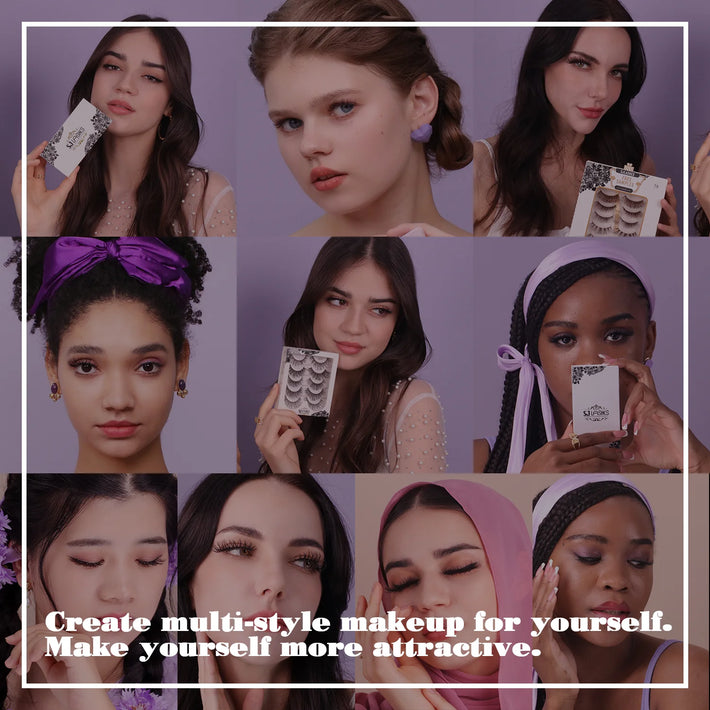
The Lash Blueprint | Manufacturer's Trend Source - Cluster, Press-On, Individual & Strip Lashes.
Adhering to rigorous international standards and certifications, we are the designated Chinese manufacturer for world-renowned brands. Our exceptional lashes are celebrated globally. We are more than just a factory; we are Lash Design Masters dedicated to innovation. We exclusively utilize Vegan materials in our production process. Each pair of our handmade lashes is crafted to deliver a truly unique and distinctive look that elevates every individual's eyes.
The Bottom Line
Having alopecia does not exclude you from enjoying the confidence that comes with a beautiful set of eyelashes. The industry has evolved past the need for natural lash anchors. By investing in modern magnetic systems, best magnetic cluster lashes, or advanced adhesive eyeliners, you can achieve a secure, stunning look that lasts all day. The key is prioritizing lightweight materials, flexible bands, and skin-safe adhesives. Stop fighting with heavy salon extensions and embrace the innovative DIY solutions designed for your specific needs.
Authoritative References
To ensure our recommendations align with medical and dermatological standards, we base our skin-safe adhesive protocols on guidelines from the following authoritative organizations:
- National Alopecia Areata Foundation (NAAF) - Provides comprehensive support, research, and cosmetic coping strategies for individuals experiencing all forms of alopecia.
- American Academy of Dermatology (AAD) - Offers definitive clinical guidance on managing sensitive skin, contact dermatitis, and safe cosmetic applications for hair loss patients.
- U.S. Food and Drug Administration (FDA) - Regulates and provides safety guidelines regarding cosmetic adhesives, iron oxides in magnetic liners, and eye safety standards.
Frequently Asked Questions
If you have total lash loss (alopecia universalis), you cannot get traditional professional extensions because the cyanoacrylate glue requires a natural hair to bond to; applying it directly to the skin causes severe chemical burns. However, if you have partial lash loss (alopecia areata), a highly skilled lash technician may be able to bridge lightweight extensions across your remaining lashes, though this places extra weight on those follicles.
Yes, absolutely. Magnetic eyelashes paired with a magnetic liquid eyeliner are one of the most effective solutions for individuals with no eyelashes. Because the eyeliner is painted directly onto the eyelid skin, the magnetic strip lash simply attaches to the dried liner, completely bypassing the need for natural lash support.
Without natural lashes acting as a physical shelf to prop up the falsies, gravity pulls the extensions downward. To fix this, you must switch to an ultra-lightweight lash style with a very thin, flexible band. Heavy, dramatic styles will always droop on a bare eyelid regardless of the adhesive used.
Never pull or peel dry adhesive off a bare eyelid. You must use an oil-based makeup remover, micellar water, or a specialized lash adhesive dissolving balm. Saturate a cotton pad, press it against your closed eye for 30 to 60 seconds to break down the polymers, and then gently wipe the lash and glue residue away.

