


The beauty industry is undergoing a violent shift away from traditional makeup routines. Consumers are exhausted by the daily application of thick, heavy strip lashes that inevitably peel at the inner corners, yet they are simultaneously rejecting the exorbitant costs and time commitments required for salon eyelash extensions. If you are stuck in this frustrating middle ground, you must understand the definitive solution dominating the market: DIY cluster lashes.

However, not all clusters are created equal. Generic drugstore clusters often look plastic, blocky, and unnaturally dense. To achieve the seamless, fluttery aesthetic of a premium salon set, you need a specific architecture. From our experience manufacturing and formulating professional-grade beauty tools at Sjlashesshop, the undisputed champion of the modern DIY movement is the wispy cluster lash. In this comprehensive, uncompromising guide, we will break down exactly what wispy cluster lashes are, the mechanical differences between traditional strips and clusters, and whether they are actually worth upgrading your beauty arsenal.
Quick Answer: What Are Wispy Cluster Lashes?
Wispy cluster lashes are small, pre-fanned segments of false eyelashes (usually 4mm to 8mm wide) featuring an intentional variation in fiber lengths. Unlike standard volume clusters that are uniformly dense and blunt-cut, wispy clusters combine closed fans (spikes) and open fans to mimic the natural, staggered growth cycle of human eyelashes.
- Application: They are designed to be applied underneath the natural lash line using a specialized flexible bond, rather than resting on top of the eyelid skin.
- Longevity: When applied correctly, they can last seamlessly for 3 to 7 days.
- Aesthetic: They provide a textured, feathery, "extension-like" finish that flatters all eye shapes without looking heavy or artificial.
In most professional situations, we recommend wispy cluster lashes for anyone seeking a customizable, long-wear alternative to daily strip lashes.
Table of Contents
- What Are Wispy Cluster Lashes?
- How They Work: The Under-Lash Technique
- The Commercial and Practical Benefits
- Limitations and Hard Truths
- Who Should Use Wispy Clusters
- Who Does Not Need Them
- Common Mistakes in DIY Application
- Expert Buying Considerations
- Summary and Comparison Tables
- Expert Recommendation: The Sjlashesshop System
- Frequently Asked Questions (FAQ)
What Are Wispy Cluster Lashes?
To understand the product, you must understand lash architecture. A traditional strip lash is built on a single, continuous cotton or polyurethane band spanning the entire width of the eye. A cluster lash takes that strip and chops it into bite-sized segments.
The term "wispy" specifically refers to the mapping of the synthetic fibers. A standard volume cluster is packed with fibers of the exact same length, creating a dense, dark, blocky caterpillar effect. A wispy cluster lash utilizes alternating lengths—for example, mixing 10mm base fibers with 14mm spikes in the same segment. This staggering creates a multidimensional, fluttery texture. We heavily favor lash cluster kits with spikes for creating this exact salon-quality mapping at home.
How They Work: The Under-Lash Technique
The true magic of wispy cluster lashes is not just in the design, but in the application mechanics. You do not glue these to your eyelid. You apply them to the underside of your natural lashes, roughly 1mm away from the waterline.
Understanding how to apply cluster lashes with bond and seal is critical. Instead of standard latex strip lash glue, you use a specialized acrylic or cyanoacrylate-hybrid "bond." You brush this bond lightly through the roots of your natural lashes like mascara. You then press the ultra-thin band of the wispy cluster upward into the bond. Because they sit under the lash line, the band is entirely invisible when you close your eyes. Finally, you apply a "seal" to remove the tacky residue and lock the cluster in place for multi-day wear.
The Commercial and Practical Benefits
The benefits of transitioning to wispy cluster lashes are staggering. First is absolute customization. Human eyes are not one-size-fits-all. A generic strip lash might droop on a downturned eye or poke the inner corner of an almond eye. With clusters, you map the eye yourself. You can apply shorter 10mm wispy clusters at the inner corner and 16mm clusters at the outer edge to create a perfect cat-eye.
Second is cost-efficiency. A full set of wispy hybrid extensions at a premium salon will cost between $150 and $250, requiring $80 fills every three weeks. By sourcing from the best wholesale cluster lashes shop or utilizing professional DIY kits, your monthly lash budget drops to roughly $15 to $30.
Finally, they offer unparalleled comfort. Because the cluster bands are segmented, they flex naturally with your eyelid. There is no rigid band lifting at the corners when your eyes water or when you blink.
Limitations and Hard Truths
We must deliver commercial and practical judgment: wispy cluster lashes are not a magic, zero-effort solution. They possess a learning curve. In our testing, it takes the average user two to three application attempts to master the placement without getting bond on their waterline.
Furthermore, they require maintenance. Unlike salon extensions that last a month, DIY clusters last 3 to 7 days. You must avoid heavy oil-based makeup removers around the eyes, and you must sleep on your back or use a 3D sleep mask to prevent crushing the delicate wispy fibers into your pillow.
Who Should Use Wispy Clusters
We recommend wispy cluster lashes for daily makeup wearers who are tired of applying strip lashes every morning. They are exceptional for individuals with hooded eyes, as the segmented nature allows for custom placement that won't overwhelm a smaller lid space. If you struggle with standard bands, exploring short eyelash strips for hooded eyes or switching entirely to clusters is your best commercial decision.
They are also the ultimate tool for freelance makeup artists. Keeping a master kit of wispy clusters allows an MUA to build custom lash maps for bridal clients that look infinitely better than standard strips in high-definition photography.
Who Does Not Need Them
For heavy-duty applications—such as someone seeking a permanent 6-week solution without ever having to touch their lashes—DIY clusters are insufficient. You need to visit a licensed esthetician for professional isolation extensions. Additionally, if you have severe cyanoacrylate or acrylic allergies, standard bond and seal systems will irritate your eyes. In these cases, you must consult a lash glue buying guide for hypoallergenic options, or switch to magnetic alternatives.
Common Mistakes in DIY Application
If you pull the sticky bond all the way to the tips of your natural lashes, the wispy clusters will clump together into a messy, sticky web. You must only dab the bond on the bottom 1-2 millimeters of the natural lash root. The bond is meant to anchor the base of the cluster, not coat the entire hair shaft.
Another major error is ripping the clusters off at the end of the week. This will pull out your natural lashes. You must use a dedicated oil-based cluster remover, letting it sit for 60 seconds to safely dissolve the bond.
Expert Buying Considerations
If you are evaluating the top DIY cluster eyelash extensions, you must scrutinize the band material. Cheap clusters utilize a thick, black plastic band that is rigid, heavy, and highly visible under the lash line. You must demand clusters made with ultra-thin, heat-bonded flat bands or invisible clear bands.
Fiber quality is equally critical. Look for Korean PBT (Polybutylene Terephthalate) synthetic silk or faux mink. This material holds its curl in high humidity, tapers naturally at the tips, and provides the feather-light wispy aesthetic without looking like glossy plastic.
Summary and Comparison Tables
Quick Summary Table: Lash Types
| Lash Type | Application Method | Wear Time | Customizability |
|---|---|---|---|
| Wispy Cluster Lashes | Under-lash (Bond & Seal) | 3 - 7 Days | High (Custom mapping per segment) |
| Strip Lashes | Over-lash (Latex Glue) | 1 Day (Remove nightly) | Low (Fixed band) |
| Salon Extensions | Professional Isolation (Cyanoacrylate) | 3 - 6 Weeks | Very High (Individual placement) |
Comparison: Wispy Clusters vs. Standard Volume Clusters
| Feature | Wispy Cluster Lashes | Standard Volume Clusters |
|---|---|---|
| Fiber Length | Alternating (Spikes mixed with shorter fans) | Uniform (All fibers exactly the same length) |
| Visual Effect | Feathery, textured, mimics natural growth | Dense, dark, blocky, dramatic |
| Best For | Everyday wear, soft glam, natural look | Heavy stage makeup, drag, intense glam |
| Weight | Ultra-lightweight | Heavier (due to density) |
Pros and Cons of DIY Wispy Clusters
| Pros (Advantages) | Cons (Limitations) |
|---|---|
| Provides professional extension looks at a fraction of the cost. | Requires patience and practice to master under-lash application. |
| Segmented bands are infinitely more comfortable than stiff strip lashes. | Max wear time is roughly one week; requires weekly reapplication. |
| Wispy textures flatter almost every eye shape without looking heavy. | Sleeping face-down will crush the delicate wispy fibers. |
| Causes zero damage to natural lashes if removed with proper oil solvent. | Cannot use oil-based cleansers while wearing them. |
Expert Recommendation: The Sjlashesshop Solution
In most professional situations, we advise clients to abandon the daily frustration of standard strip glue. However, we acknowledge that for absolute beginners, dealing with multi-day bond and seal systems can still be intimidating.
If you desire the exact feathery, multidimensional texture of a wispy cluster lash, but want the convenience of removing them every night without sticky removers, we recommend bridging the gap with advanced magnetic technology.
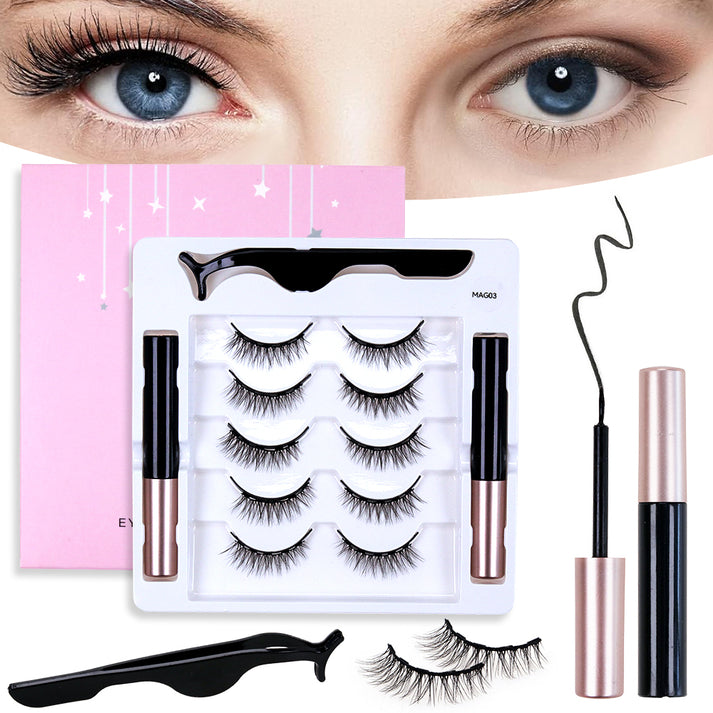
5 Pairs Magnetic Eyelashes and Eyeliner Kit - Wispy Natural Look False Lashes
Experience the longevity of premium materials. Crafted for durability, these magnetic eyelashes feature the exact wispy, C-Curl architecture of salon extensions, but apply in seconds via a waterproof magnetic eyeliner.
- Safe and Gentle: Entirely glue-free. Prevents the pulling, tugging, and allergic reactions associated with traditional lash adhesives.
- Cost-Effective: Highly sustainable and budget-friendly alternative to disposable, single-use lashes.
- Kit Includes: 5 Pairs of Reusable Wispy Lashes, Waterproof Magnetic Eyeliner, and Precision Tweezer.
For those firmly committed to traditional adhesives but wanting premium aesthetics, you must seek out lash strips that look like extensions or dive into our full DIY cluster catalogs.
Frequently Asked Questions (FAQ)
Are wispy cluster lashes safe for natural lashes?
Yes, when applied and removed correctly. The primary cause of damage is mechanical pulling. Because cluster bonds remain flexible, they are safe. However, if you pick, pull, or rip the clusters off without using a dedicated oil-based lash remover to dissolve the bond, you will extract your natural lashes prematurely.
Can I shower or swim with wispy cluster lashes on?
Once the bond and seal have fully cured (usually wait 24 hours after application), they are highly water-resistant. You can shower and wash your face carefully. However, prolonged exposure to hot steam, saunas, or underwater swimming in chlorinated pools will break down the adhesive faster, reducing your wear time from 7 days down to 2 or 3 days.
How many clusters do I need per eye?
In most professional situations, a standard eye shape requires 4 to 6 wispy clusters per eye to create a full, seamless lash line. A common "cat-eye" map might use two 10mm clusters at the inner corner, two 12mm clusters in the middle, and two 14mm clusters at the outer edge.
Authoritative Industry References
To ensure our cosmetic advice aligns with medical and federal safety standards, we reference the following authorities:
- U.S. Food and Drug Administration (FDA): Safety regulations and ingredient compliance regarding eye cosmetics, cyanoacrylate adhesives, and false eyelash application. Visit FDA Eye Cosmetic Safety
- American Academy of Ophthalmology (AAO): Medical guidelines on maintaining ocular health, avoiding corneal abrasions, and the safe usage of eyelash extensions and adhesives. Visit AAO Eyelash Safety Guidelines
- Allure / Condé Nast: Leading beauty industry editorial tracking the commercial shift from salon extensions to the rise of at-home DIY cluster lash systems. Read Allure's DIY Lash Guide

